
Plumber Tips
How to Prepare Your Plumbing for Heavy Rainfall in Clarksville's Humid Climate
Published 2026-09-13 · By Michael Reynolds, Clarksville Plumbers
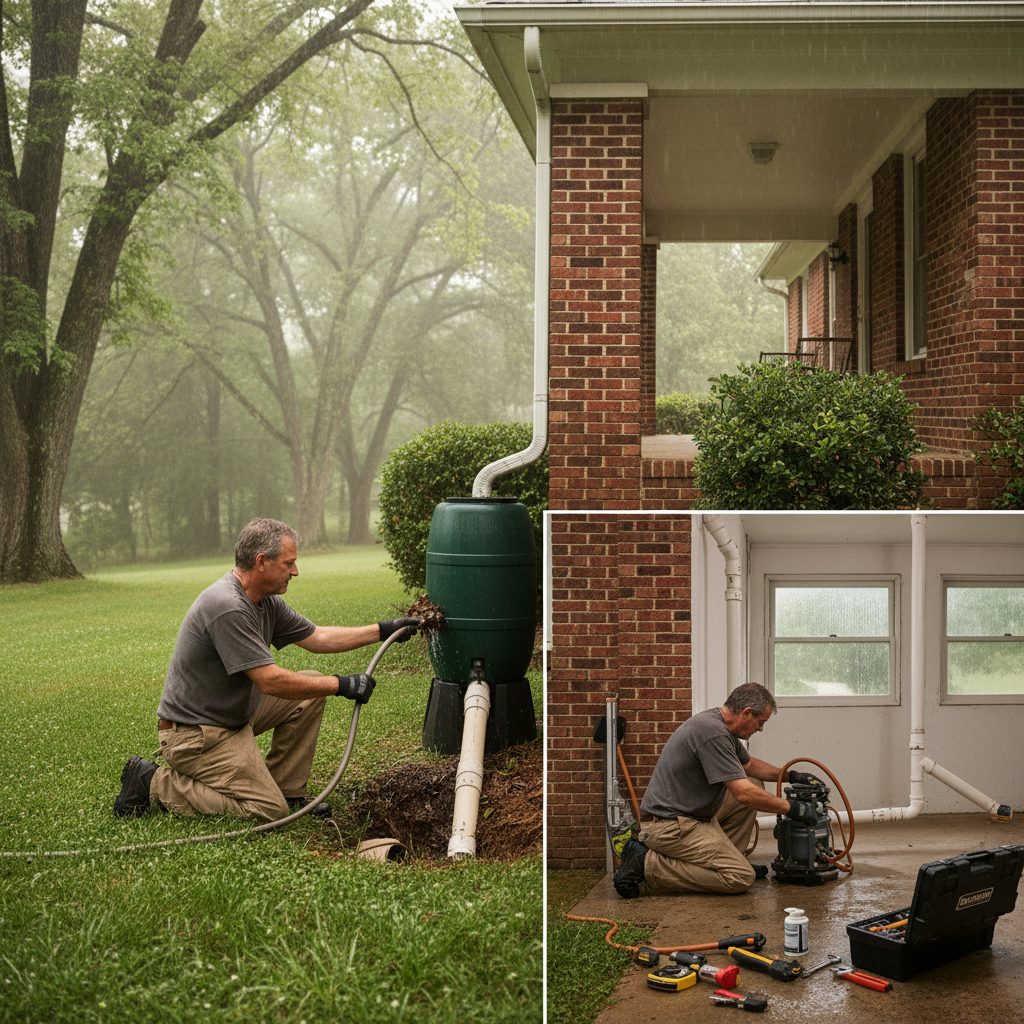
As a homeowner in Clarksville, TN, you know that our humid subtropical climate can lead to heavy rainfall, especially during the summer months. This can pose significant risks to your plumbing system, so it's essential to take some proactive measures to protect your home.
Local waterways like the Cumberland River and Red River are prone to flooding, especially after storms, and neighborhoods such as Downtown Clarksville and Sango can experience sewer backups. Understanding how our unique weather patterns impact your plumbing can help you prevent costly damages and emergency spills.
Assess Your Current Plumbing System
Start by performing a thorough inspection of your plumbing. Check pipes and fixtures for signs of wear and tear or leaks. Pay special attention to areas that could be affected by heavy rain, such as basements or crawl spaces. If you notice any problems, consider using Leak Detection & Repair services to identify hidden leaks. Additionally, know the age and condition of your plumbing system; older homes in areas like Hilldale or Woodlawn may have outdated pipes that can't handle heavy rainfall. If your pipes are over 30 years old, it may be time for an upgrade.
Keep your gutters and downspouts clean and free of debris. This will ensure proper drainage and reduce the risk of water pooling around your home's foundation. Downspouts should direct water at least 3-4 feet away from the house to prevent flooding – especially important in areas like St. Bethlehem.
Know Your Drainage System
Understanding how your drainage system works is crucial in preventing issues during heavy rain. Make sure your Drain Cleaning is up to date. Clogged drains can lead to backups, especially when stormwater overwhelms your plumbing system. If your home is in Rossview or Sango, where heavy vegetation can contribute to clogs, consider installing screens or traps over your drains to minimize blockages.
If you have a sump pump installed, test it regularly to ensure it’s operational. Especially in areas prone to water accumulation, like Fort Campbell, a malfunctioning sump pump during a heavy storm can lead to severe water damage. If you don’t have a sump pump, consider installing one before the rainy season begins.
Protect Your Home's Exterior
Examining your home's exterior for vulnerabilities can pay off during heavy rainfall. Ensure the landscaping slopes away from the foundation to promote proper drainage. Keeping your yard well maintained can prevent water pooling near the house, which can saturate your home’s foundation and lead to plumbing issues. You might even consider retaining walls if your property is sloped — particularly in Cunningham or Dover, where terrain variations can significantly impact water runoff.
If you experience consistent problems with water runoff or drainage, you might also want to explore installing French drains or drainage ditches around your property. These solutions can guide water away from your home and help protect your plumbing system from overwhelming stormwater.